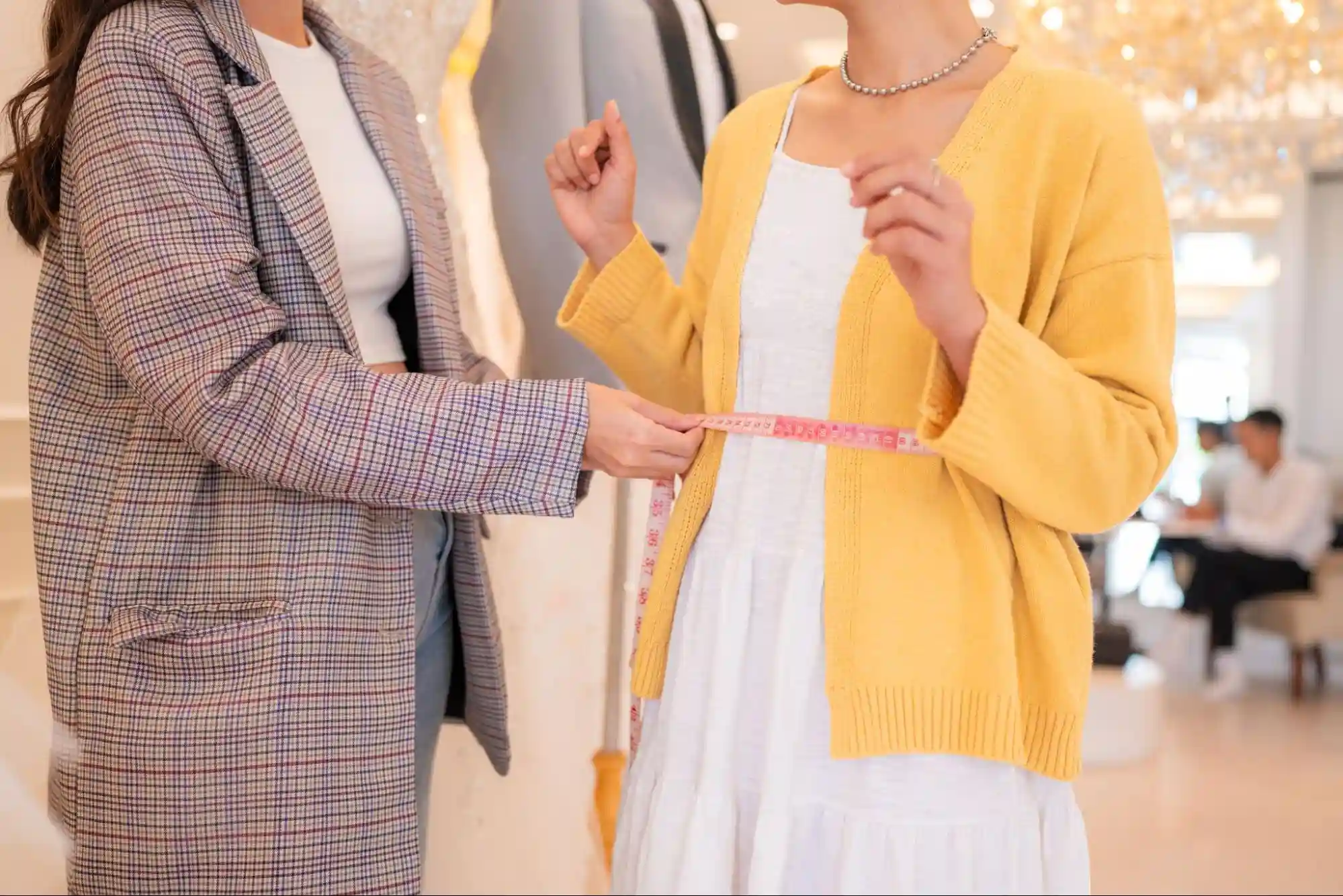
A body shape clothing guide is not about limiting your style. It is about making your clothing work with your natural proportions instead of against them. Most styling issues people face are not about fashion taste. They come from ignoring body structure. Two people can wear the same outfit and look completely different because their proportions are not the same. Understanding your body shape helps you fix this imbalance. It improves how clothes sit on your frame, how outfits flow visually, and how balanced your overall appearance feels. Once you understand your shape, shopping becomes easier and outfit decisions become more intentional. You stop guessing and start choosing clothes that naturally suit you.
How to accurately identify your body shape before styling
Before using any body shape clothing guide, you need to understand your actual proportions. This is not about weight or clothing size. It is about structure.
Measuring shoulders, waist, and hips correctly
Start with a simple measurement method. Measure your shoulders at their widest point, your waist at its narrowest point, and your hips at their fullest point. These three measurements help identify how your body is distributed. The goal is not precision engineering. It is pattern recognition. You are looking for which part is wider, narrower, or balanced.
Observing silhouette instead of size
Body shape is often misunderstood as body size. That is incorrect. A person wearing a medium and a person wearing an XL can share the same body shape. What matters is silhouette, not clothing label. Stand in front of a mirror and observe your outline. Notice where your body naturally widens or narrows. That visual structure is more important than numbers.
Common mistakes when self-assessing body shape
A common mistake is focusing on weight instead of structure. Another is forcing yourself into a category that does not feel accurate. Many people also misread posture as body shape. Shoulders that lean forward or hips that tilt can change perception. The goal is not perfection. It is clarity.
The main body shapes in a body shape clothing guide
Rectangle body shape characteristics
A rectangle body shape has balanced shoulders, waist, and hips. The body appears fairly straight with minimal waist definition. The styling opportunity here is to create shape where natural curves are subtle.
Triangle and inverted triangle shapes
A triangle shape means the hips are wider than the shoulders. An inverted triangle means the upper body is broader than the lower body. These shapes require balancing opposite proportions through clothing choices.
Oval and round body shapes
An oval shape focuses more volume around the midsection. The shoulders and legs are usually narrower. The styling goal is to create vertical flow and reduce horizontal emphasis.
Hourglass body shape structure
An hourglass shape has balanced shoulders and hips with a defined waist. This is naturally proportional, but it still requires thoughtful styling to avoid hiding the waistline.
Clothing principles that apply to every body shape clothing guide
No matter your body shape, some principles always apply. Fit is the most important factor. Even the best outfit fails if the fit is wrong. Proportion is equally important. Clothing should create balance, not distortion. Contrast also plays a key role. Combining fitted and relaxed elements helps guide the eye and improve silhouette structure. A good body shape clothing guide always starts with these fundamentals before moving into specific recommendations.
How to dress different body shapes for better visual balance
Styling tips for rectangle body shape
The goal is to create definition. Layering works well here. Jackets, overshirts, and structured tops help add dimension. Avoid overly straight silhouettes that reinforce a boxy look. Adding contrast between upper and lower wear improves shape perception.
Styling tips for triangle shapes
For triangle shapes, the focus is on balancing wider hips. Darker bottoms and lighter or more detailed tops help shift visual attention upward. Structured jackets and shoulder-enhancing pieces also improve balance.
Styling tips for inverted triangle shapes
Here the upper body is dominant. The goal is to reduce upper emphasis and strengthen lower-body presence. Straight-leg or relaxed pants help create balance. Avoid overly padded shoulders or heavy upper layering.
Styling tips for oval body shapes
Oval shapes benefit from vertical styling. Longline shirts, open jackets, and monochrome outfits help elongate the body. Avoid tight waist emphasis or horizontal breaks that widen the midsection visually.
Styling tips for hourglass shapes
Hourglass shapes should highlight natural waist definition. Fitted clothing works well, but it should not be overly tight. Belted outfits and tailored fits help maintain natural proportions without hiding structure.
Fabric, fit, and tailoring in a body shape clothing guide
Fabric plays a major role in how body shape is perceived. Heavy fabrics add volume. Lightweight fabrics create flow. Structured fabrics like denim or wool help shape the body, while soft fabrics like jersey follow natural curves. Tailoring is one of the most powerful tools in any body shape clothing guide. Even small adjustments in sleeve length or waist tapering can dramatically improve fit. Ready-to-wear clothing rarely fits perfectly, so tailoring bridges that gap.
Color and pattern strategies in body shape clothing guide
Color can reshape visual proportions. Dark colors reduce visual emphasis, while light colors draw attention. This is why darker shades are often used for areas you want to minimize visually. Patterns also influence perception. Vertical lines elongate the body, while horizontal patterns widen it. Strategic use of color blocking can help balance uneven proportions and create a more structured silhouette.
Common styling mistakes when ignoring body shape
One major mistake is blindly following trends without considering proportions. Oversized fashion, for example, does not suit every body type equally. Another mistake is wearing incorrect sizes. Many people choose clothes that are too small or too large, thinking it is a style choice, when it actually disrupts balance. Over-layering is another issue. Too many layers can hide structure completely and make outfits feel unorganized.
How modern fashion trends influence body shape: a clothing guide
Modern fashion has become more inclusive, but also more complex. Oversized streetwear trends can sometimes hide body shape awareness entirely. While this allows freedom, it can also reduce intentional styling. At the same time, tailored and minimal fashion trends are bringing attention back to structure. The best approach is balance. Use trends, but adapt them to your body shape rather than copying them directly.
Building a long-term wardrobe using your body shape clothing guide
A strong wardrobe is built on repeatable structure. Instead of buying random pieces, focus on items that consistently suit your body shape. This creates a capsule system where every piece works together. Invest in reliable basics that fit well across multiple outfits. Over time, this reduces decision fatigue and improves styling consistency. A body shape clothing guide becomes more powerful when applied to long-term wardrobe planning, not just individual outfits.
FAQs
1. How do I know my body shape without measurements?
You can observe your silhouette in a mirror, focusing on shoulder, waist, and hip alignment to identify your natural body shape visually.
2. Can body shape change over time?
Yes, body shape can shift due to lifestyle, fitness, and age, but your core skeletal structure usually remains consistent.
3. Is one body shape better for fashion than others?
No body shape is better. Every shape has styling techniques that enhance proportions and improve outfit balance.
4. Do oversized clothes work for all body shapes?
Not equally. Oversized clothing works best when balanced with fitted elements to maintain structure and avoid visual imbalance.
5. Why is body shape important in fashion styling?
Understanding body shape helps you choose clothes that enhance proportion, improve fit, and create more visually balanced outfits.