Luxury streetwear brands are no longer a niche category. They now sit at the center of global menswear. What once existed as underground street culture has evolved into a powerful force influencing high fashion, retail strategy, and personal style. The boundaries between luxury and streetwear have blurred. Today, comfort, identity, and exclusivity define modern fashion more than traditional tailoring alone. Understanding luxury streetwear brands means understanding how fashion itself is being rewritten in real time.
How luxury streetwear brands are redefining modern men’s fashion
Men’s fashion has shifted dramatically over the last decade. Traditional luxury once focused on formalwear, structured tailoring, and seasonal collections. That model is no longer dominant. Luxury streetwear brands have replaced rigidity with flexibility. They combine high-end craftsmanship with everyday comfort, creating clothing that feels both premium and wearable. Street culture has become a core influence. Hoodies, sneakers, oversized silhouettes, and graphic elements are now accepted in luxury spaces. This shift reflects a broader cultural change where identity matters more than formality. Consumers no longer dress to fit into strict categories. They dress to express individuality while still maintaining a sense of status and quality.
What defines luxury streetwear brands in today’s fashion industry
Luxury streetwear brands are defined by a combination of design, scarcity, and cultural relevance. Unlike traditional fashion houses, they do not rely solely on seasonal collections. Instead, they focus on limited releases and strong visual identity. A key difference between standard streetwear and luxury streetwear is execution. Streetwear focuses on accessibility and mass culture. Luxury streetwear elevates those same elements using premium materials, refined tailoring, and controlled distribution. The result is clothing that feels exclusive without losing its street-inspired roots. Exclusivity is central. Limited drops create urgency and demand. This scarcity model has become a defining feature of modern fashion marketing, especially in the luxury streetwear space.
Key design elements that set luxury streetwear brands apart
Premium materials and fabric innovation
One of the strongest indicators of luxury streetwear is fabric quality. These brands invest heavily in premium textiles such as heavyweight cotton, Japanese denim, technical blends, and high-grade wool. The focus is not just appearance but durability and texture. Fabric innovation also plays a role. Many luxury streetwear brands experiment with performance materials, moisture control fabrics, and hybrid textiles that combine comfort with structure. This allows garments to perform well in everyday wear while maintaining a luxury feel.
Oversized silhouettes and relaxed tailoring
Modern luxury streetwear is heavily influenced by oversized proportions. Loose fits, dropped shoulders, and relaxed cuts dominate collections. This is not accidental. It reflects a cultural shift toward comfort-driven fashion. However, the difference lies in execution. Luxury streetwear does not look sloppy. It is intentionally structured to maintain balance and proportion. Even oversized pieces are carefully designed to avoid visual chaos.
Branding, logos, and identity expression
Branding in luxury streetwear varies widely. Some brands use bold, visible logos as identity markers. Others prefer minimal or hidden branding for a more refined aesthetic. Both approaches serve the same purpose: recognition and cultural positioning. Logos in this space are not just design elements. They function as symbols of belonging within a cultural movement. Wearing a brand becomes a form of identity expression, not just fashion choice.
Why luxury streetwear brands are dominating global fashion culture
The rise of luxury streetwear is closely tied to generational change. Gen Z and millennials prioritize comfort, individuality, and authenticity. Traditional luxury no longer fully aligns with their lifestyle expectations. Social media has accelerated this transformation. Platforms like Instagram and TikTok turn outfits into global visual content. A single viral look can influence trends across continents. Luxury streetwear brands thrive in this environment because their designs are highly visual and easily shareable. Celebrity influence also plays a major role. Musicians, athletes, and digital creators regularly wear luxury streetwear, reinforcing its cultural relevance. These endorsements are often more impactful than traditional advertising.
The business strategy behind luxury streetwear brands
Limited drops and scarcity marketing
Scarcity is one of the most powerful tools in luxury streetwear. Brands intentionally release small quantities of products. This creates demand that exceeds supply. The result is urgency, resale value, and cultural hype. This strategy also strengthens brand perception. When products are difficult to obtain, they become more desirable. This controlled availability is a key difference between luxury streetwear and mass-market fashion.
Direct-to-consumer and digital-first models
Many luxury streetwear brands operate primarily online. Digital-first strategies allow them to reach global audiences without traditional retail limitations. Direct-to-consumer models also give brands more control over pricing, branding, and customer experience. This approach reduces reliance on department stores and increases brand autonomy. It also allows faster response to trends and cultural shifts.
Collaboration culture in fashion branding
Collaborations are a core growth strategy. Luxury streetwear brands frequently partner with sportswear companies, artists, designers, and even automotive brands. These collaborations generate hype and introduce new audiences. Each collaboration is designed as a cultural moment rather than just a product release. This keeps the brand relevant and continuously visible in fashion conversations.
How luxury streetwear brands influence men’s personal style
Luxury streetwear has changed how men dress in everyday life. Casual clothing is now acceptable in more settings, including semi-formal environments. This shift has blurred the line between streetwear and traditional menswear. Sneakers have become essential in outfit building. Instead of being an accessory, they often act as the foundation of an entire look. Outfits are now designed around footwear rather than tailoring alone. There is also a stronger focus on layering and silhouette balance. Men are more experimental with proportions, mixing oversized tops with structured bottoms or vice versa.
Styling luxury streetwear brands for modern men
Minimal luxury street outfits
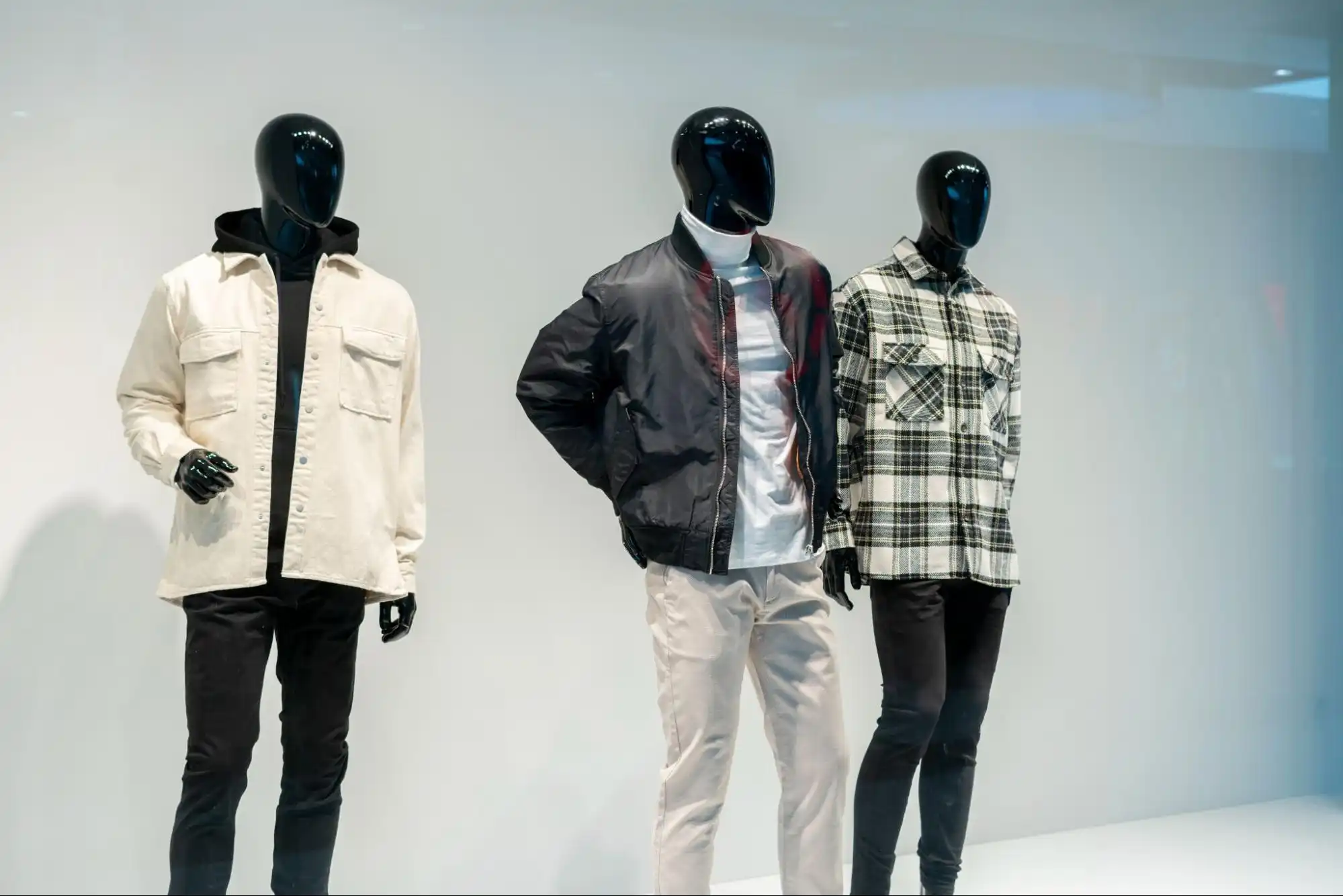
Minimal styling focuses on clean lines and neutral tones. Black, white, beige, and grey dominate these outfits. The goal is subtle sophistication rather than loud branding. Simple hoodies, fitted joggers, and clean sneakers define this look.
Bold statement streetwear looks
Bold styling uses graphics, oversized fits, and layered pieces. This approach is more expressive and attention-driven. It often includes standout sneakers, branded outerwear, and contrasting textures.
Smart-casual luxury street fusion
This hybrid style blends tailoring with streetwear. A structured coat over a hoodie or tailored trousers with sneakers creates a balanced aesthetic. It reflects the modern direction of menswear, where rules are increasingly flexible.
The role of sneakers in luxury streetwear brands culture
Sneakers are central to luxury streetwear identity. They are often the most valuable or visually dominant part of an outfit. High-end sneaker collaborations have further elevated their status. Luxury streetwear brands frequently design outfits around sneakers rather than treating them as secondary items. This shift has changed how proportions and styling are approached in menswear. Sneakers now function as status symbols, cultural markers, and design focal points.
Common mistakes when wearing luxury streetwear brands
One common mistake is over-branding. Wearing too many visible logos can make an outfit look cluttered rather than stylish. Balance is important. Another issue is ignoring fit. Even luxury garments can look unrefined if proportions are not considered. Oversized does not mean shapeless. Misunderstanding balance is also a frequent problem. Mixing too many bold pieces without structure can weaken the overall look.
Sustainability and ethical shifts in luxury streetwear brands
Sustainability is becoming increasingly important in fashion. Many luxury streetwear brands are adopting eco-friendly materials and responsible production methods. This includes organic cotton, recycled fabrics, and reduced waste manufacturing. Slow fashion principles are also influencing design. Instead of fast seasonal cycles, brands are focusing on timeless pieces that last longer. Transparency in sourcing is becoming a key expectation among consumers.
Future trends shaping luxury streetwear brands
The future of luxury streetwear is closely tied to technology. AI-driven design tools are already being used to create patterns and predict trends. Customization will also become more advanced, allowing consumers to personalize clothing at scale. Digital fashion is another emerging area. Virtual clothing and metaverse styling are expanding the definition of streetwear beyond physical garments. Despite these innovations, the core identity of luxury streetwear will remain the same: comfort, exclusivity, and cultural relevance.
Conclusion
Luxury streetwear brands represent a fundamental shift in how fashion is understood. They combine comfort with exclusivity, and identity with design innovation. This fusion has redefined modern menswear. Their influence extends beyond clothing into culture, music, and digital identity. As fashion continues to evolve, luxury streetwear remains at the center of this transformation. It is not just a trend. It is the new structure of modern style.