Streetwear does not have to mean oversized logos, bold graphics, or complicated layering. A minimalist approach can make street style easier to wear and easier to build. The focus is on clean silhouettes, comfortable basics, neutral colors, and thoughtful details. This makes minimalist streetwear especially useful for beginners. You can create several outfits without buying a large wardrobe. You also have more freedom to adapt each look to your personality and daily routine. The best minimalist streetwear outfit ideas are usually built around versatile pieces that work together naturally. A plain T-shirt can become the foundation for a casual outfit. A hoodie can add structure when layered under a jacket. Straight-leg trousers can make sneakers and simple tops look more refined. The key is not owning more clothes. It is learning how to combine the pieces you already have. With the right approach to color, fit, proportion, and accessories, minimalist streetwear can look intentional without appearing overstyled.
Understand the Minimalist Streetwear Aesthetic
Minimalist streetwear combines the relaxed attitude of streetwear with the simplicity of minimalist fashion. Traditional streetwear can include bold graphics, prominent branding, unusual colors, and statement pieces. Minimalist streetwear usually takes a quieter approach. It relies on clean lines, muted colors, practical clothing, and restrained details. This does not mean every item needs to be plain. A textured jacket, interesting silhouette, or subtle graphic can still create personality. The difference is that the outfit has visual control. Each piece has a purpose. Fit also plays an important role. A basic T-shirt can look completely different when it is fitted, relaxed, or oversized. The same applies to trousers and outerwear. For beginners, the easiest approach is to start with a few reliable silhouettes and learn how they work together before experimenting with more complicated combinations.
Start With a Simple Streetwear Wardrobe
A minimalist wardrobe works best when individual pieces can be worn in several ways. Instead of buying something because it looks good in isolation, consider how it will work with your existing clothes.
Choose Versatile Tops
Plain T-shirts are one of the easiest starting points. White, black, gray, beige, and muted navy can work with many different bottoms. A relaxed T-shirt can create a casual silhouette without looking sloppy. Sweatshirts and hoodies are equally useful, particularly in cooler weather. Choose designs with limited branding if you want a cleaner appearance. Overshirts can add another layer without making an outfit feel heavy. They can also provide more structure than a traditional T-shirt. Quality matters more than having a large selection. Look for fabrics that hold their shape and fits that feel comfortable. A small collection of dependable tops can create more combinations than a wardrobe filled with pieces that only work with one outfit.
Build Around Reliable Bottoms
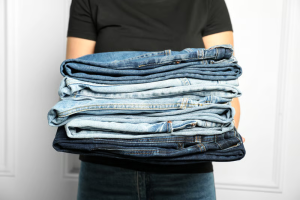
Straight-leg jeans are an easy choice because they work with both relaxed and structured tops. Relaxed trousers can create a more polished interpretation of streetwear. Cargo pants can add a functional edge, while simple joggers offer a sportier option. The important consideration is proportion. Very wide trousers can change the entire shape of an outfit. If you prefer oversized bottoms, consider balancing them with a more structured top. If your top is very loose, a straighter bottom may create a cleaner overall shape. There is no universal rule about fit. The goal is to understand how different proportions affect your appearance and choose what feels natural.
Try Easy Neutral Outfit Combinations
Neutral colors are particularly useful for minimalist streetwear because they make coordination easier. Black, white, gray, beige, cream, olive, navy, and similar muted shades can be combined without creating excessive visual contrast. A monochrome outfit is one simple option. For example, different shades of gray can create depth while maintaining a clean appearance. You can also combine contrasting neutrals. A white T-shirt with black trousers and understated sneakers creates a reliable foundation. Beige trousers with a dark sweatshirt can provide a softer alternative. Avoid assuming that every minimalist outfit needs to be completely colorless. One muted accent can add personality. The important part is controlling how many visual elements compete for attention. Starting with two or three colors per outfit is an easy way to develop that control.
Use Proportion to Make Simple Outfits Stand Out
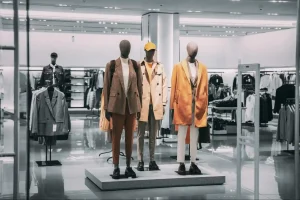
When an outfit contains few colors and little branding, fit becomes more important. Proportion can make a simple combination look intentional rather than unfinished. An oversized hoodie with straight-leg trousers can create a relaxed shape. A loose T-shirt can work with slightly narrower pants for contrast. A structured overshirt can balance relaxed trousers. Beginners often make the mistake of choosing oversized versions of every item. That can work as a deliberate style, but it can also make the outfit lose definition. Start with one relaxed piece and see how it interacts with the rest of the outfit. You can then increase or reduce volume based on your preferences. Pay attention to sleeve length, trouser break, shoulder width, and overall silhouette. Small adjustments can have a larger effect than adding another accessory.
Build Beginner-Friendly Streetwear Looks
The easiest way to develop confidence is to start with combinations that are difficult to get wrong. Once those become familiar, you can experiment with more distinctive pieces.
Casual Everyday Combination
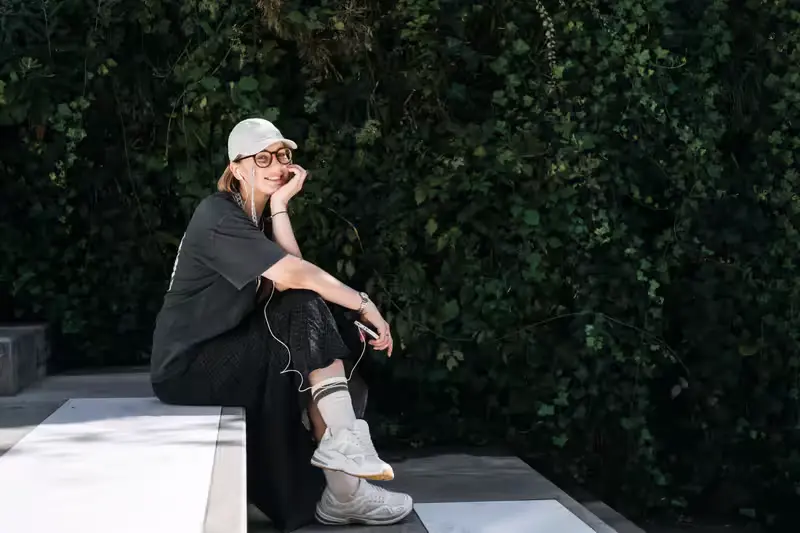
Try a plain white or black T-shirt with straight-leg jeans or relaxed trousers. Add clean sneakers and a simple watch or cap. This outfit works because every piece performs a clear role. The T-shirt provides a clean base. The trousers establish the silhouette. Sneakers keep the look casual. If the weather changes, add an overshirt or lightweight jacket. You can also change the personality of the outfit by switching the trousers. Dark jeans can make it sharper, while relaxed cargo pants can make it more functional. This is an excellent foundation for beginners because almost every component can be reused with other outfits.
Hoodie and Layered Look
A neutral hoodie can become the center of a relaxed streetwear outfit. Pair it with straight-leg trousers or jeans and clean sneakers. Add a lightweight jacket, bomber, or overshirt when you want additional structure. Keep the colors relatively close if you want a subtle appearance. For example, gray, black, and charcoal can create a tonal combination. Alternatively, use one lighter layer against darker pieces. Avoid adding several competing graphics. The hoodie already provides volume, so the rest of the outfit can remain simple.
Smart-Casual Streetwear Option
Minimalist streetwear can also look more refined. Try a plain T-shirt under a structured overshirt with relaxed trousers and understated sneakers. Choose clean fabrics and avoid excessive distressing or large logos. This combination can work for casual social settings where a basic hoodie and jeans might feel too relaxed. The trick is keeping the silhouette comfortable while adding a little structure. You can make the outfit more casual by switching to a looser T-shirt or more relaxed trousers. You can make it more polished with a sharper overshirt and cleaner footwear.
Choose Sneakers and Accessories Carefully
Sneakers often determine the overall direction of a minimalist streetwear outfit. Clean low-profile sneakers can keep a look understated. Chunkier sneakers can add visual weight and work well with wider trousers. The right choice depends on the proportions of the rest of the outfit. Accessories should support the clothing rather than compete with it. A simple cap, crossbody bag, watch, belt, or small piece of jewelry can add personality. You do not need several accessories at once. If the outfit already has an interesting silhouette, one accessory may be enough. Keep footwear clean and in good condition. Even an inexpensive outfit can look intentional when its key pieces are well maintained.
Add Personality Without Losing the Minimalist Feel
Minimalism should not mean looking identical to everyone else. Personal style can appear through texture, proportion, fabric, and subtle color. You might prefer heavyweight cotton, technical fabrics, washed denim, or textured outerwear. Another option is to introduce one muted accent color. Olive, burgundy, brown, or dark blue can add interest without dominating the outfit. Subtle graphics can also work when the rest of the outfit remains restrained. Think of personality as a controlled addition rather than a competition between statement pieces. If you want to wear a bold jacket, keep the T-shirt, trousers, and sneakers simple. If you choose distinctive footwear, reduce the visual noise elsewhere. This creates balance while allowing one element to stand out.
Common Styling Mistakes Beginners Should Avoid
One common mistake is focusing too much on trends. A piece can be fashionable today but difficult to integrate into your wardrobe later. Instead, ask whether you can create several outfits with it. Another mistake is wearing oversized clothing from head to toe without considering proportions. The result can look less intentional than expected. Too many colors can also make a minimalist outfit lose its focus. Logos and graphics can have a similar effect when several appear together. Beginners sometimes overlook footwear and accessories because the main clothing feels more important. Yet these finishing elements can change the entire impression. Finally, avoid buying large quantities of low-quality basics simply because they are inexpensive. A smaller selection of comfortable, versatile pieces can provide more styling options and better long-term value.
Adapt Minimalist Streetwear for Different Settings
Your streetwear wardrobe should reflect where you actually spend time. A casual weekend outfit can include a hoodie, relaxed jeans, and sneakers. For a campus environment, an overshirt and straight-leg trousers can create a slightly more polished look without sacrificing comfort. For a casual social event, replace a graphic sweatshirt with a structured jacket or overshirt. If your workplace has relaxed dress expectations, neutral trousers, a clean T-shirt, and simple sneakers may work depending on the environment. Always consider the expectations of the setting. Minimalist streetwear is flexible, but not every streetwear combination suits every situation. You can often change the formality of the same basic outfit by adjusting footwear, outerwear, and accessories.
Create More Outfits With Fewer Pieces
A minimalist wardrobe becomes powerful when each piece has multiple uses. Imagine having four versatile tops, three bottoms, two outer layers, and two pairs of sneakers. If the colors and silhouettes coordinate, those pieces can create many combinations. Before buying something new, ask how many existing outfits it can improve. If a jacket only works with one pair of trousers, it may not be the most useful purchase. If it works with jeans, relaxed trousers, and cargo pants, it has greater wardrobe value. This approach can also reduce unnecessary shopping. You learn to build around a consistent foundation instead of constantly replacing your style with new trends. Over time, your wardrobe becomes easier to manage and your outfit choices become faster.
Develop Your Own Minimalist Streetwear Style
Once you understand the basics, start identifying what you naturally prefer. Do you like oversized silhouettes or cleaner straight fits? Do you prefer monochrome outfits or subtle color contrast? Are sneakers the main focus, or do you prefer outerwear to make the statement? Saving outfit references can help you identify recurring preferences. Notice the combinations you repeatedly find appealing. Then recreate those ideas with pieces you already own. Experiment with one change at a time. Try a different trouser shape, a new layer, or a slightly different color. This makes it easier to understand what works for you. Confidence usually comes from repetition. The more familiar you become with your wardrobe, the less you need to rely on copying complete outfits from other people.
Conclusion
The best minimalist streetwear outfit ideas do not require an expensive wardrobe or complicated styling techniques. Start with versatile basics, neutral colors, reliable trousers, and clean sneakers. Then pay attention to proportion and use layering to create depth. Add accessories selectively and let one distinctive element provide personality when needed. Most importantly, build around your lifestyle. A wardrobe that looks impressive but feels uncomfortable will not become part of your everyday style. Choose pieces you can actually wear and combine them in different ways. Minimalist streetwear works because simplicity leaves room for good fit, thoughtful proportions, and personal expression. As you become more comfortable with the fundamentals, you can experiment with new silhouettes, textures, colors, and trends without losing the clean foundation that makes the style approachable.