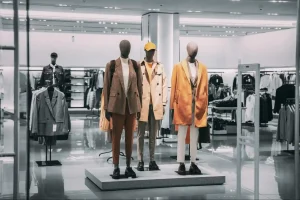

Luxury streetwear has changed how fashion brands create demand. Instead of keeping every product available throughout a season, many labels release selected items in limited quantities. These launches are often called drops. They can happen online, in stores, or through exclusive events. The strategy works because it turns a product release into an experience. Customers are not simply buying clothing. They are watching for announcements, discussing designs, sharing launch information, and competing for access. This makes limited drops particularly important to luxury streetwear marketing. Scarcity can create urgency, strengthen brand identity, and encourage social conversation. However, scarcity alone does not make a product luxurious. If customers believe a brand is creating artificial shortages simply to generate hype, trust can decline. The strongest strategy combines limited availability with strong design, quality, cultural relevance, and a credible story. Brands also need to think beyond launch-day sales. A successful drop should contribute to long-term brand equity, customer loyalty, and community growth.
The Shift From Traditional Retail to Drop Culture
Traditional fashion retail often follows a predictable cycle. Collections are presented, products enter stores, and customers have time to consider their purchases. Drop culture changes that rhythm. A specific product becomes available for a short period or in a restricted quantity. The resulting uncertainty encourages consumers to pay closer attention. They may follow a brand on social media, join a mailing list, or monitor a website for release information. This creates repeated interaction before the transaction even occurs. For luxury streetwear brands, the model is particularly useful because it combines exclusivity with cultural visibility. A limited release can generate conversations far beyond the people who actually purchase it. Images spread across social platforms. Fashion communities discuss the design. Resellers may track demand. Influencers may feature the product. The drop therefore becomes both a commercial event and a marketing event.
Why Scarcity Changes Consumer Behavior
Scarcity affects how people evaluate opportunities. When a product appears difficult to obtain, its perceived importance can increase. A limited release can create urgency because customers know they may not have another opportunity to buy the same item at retail. This psychological effect is especially strong when the product already has desirable characteristics. A distinctive design, strong brand reputation, or meaningful collaboration can make limited availability more powerful. However, brands should distinguish real scarcity from manufactured pressure. Customers are increasingly aware of marketing tactics. If every product is repeatedly labeled “exclusive,” the word eventually loses meaning. Effective luxury streetwear marketing uses scarcity selectively. The limited quantity should support a genuine reason for the product’s special status. It should not compensate for weak design or poor quality.
Creating Demand Through Restricted Access
Restricted access can make a launch feel more significant. Brands may provide early purchasing opportunities to existing customers, members, or selected communities. Waiting lists and registration systems can also help manage interest. These mechanisms create a sense of progression. Customers move from discovering the product to becoming eligible for access. The process can make the purchase feel more like participation in a brand community. Still, access should remain understandable. If customers cannot determine how to participate or believe that bots and automated buyers have an unfair advantage, excitement can quickly become frustration. Clear rules, purchase limits, and reliable communication can improve the experience.
Balancing Exclusivity With Customer Trust
Exclusivity has limits. A brand can create desire through scarcity, but it can also alienate customers if the buying experience feels deliberately frustrating. For example, repeated stockouts without meaningful communication may cause people to question whether a brand values its customers. Transparency matters. Brands should communicate release dates, purchasing limits, and access conditions clearly. They should also avoid implying that every customer will have an equal opportunity if that is not actually the case. Trust is a long-term asset. A short-term sales increase is not worth damaging it.
How Limited Drops Build Brand Identity
A drop can communicate much more than a product specification. Its visual language, packaging, location, campaign photography, and storytelling can reinforce the brand’s identity. Consider two brands releasing similarly styled jackets. One might focus on technical performance. Another might build a story around music, art, youth culture, or a particular city. The physical product matters, but the surrounding narrative changes how consumers interpret it. This is why limited drops can become powerful identity-building tools. They give brands a concentrated opportunity to express what they represent. Over time, repeated launches can also create recognizable rituals. Customers learn how the brand announces products, when releases happen, and what kinds of collaborations or concepts to expect.
Social Media as the Engine Behind Drop Campaigns
Social media has made it easier to turn product launches into ongoing conversations. A brand can reveal a small detail weeks before a release. A teaser can show a logo, fabric, silhouette, or collaboration without revealing the complete product. Later, the brand can release additional information. This gradual approach creates anticipation. Countdown posts can then push attention toward launch day. After the release, customers may share photographs, styling ideas, reviews, and unboxing videos. That content can extend the campaign without requiring the brand to produce every piece of communication itself. The strategy works best when the product gives people something worth discussing. Social media cannot permanently manufacture cultural relevance. It can amplify genuine interest, but it cannot replace it.
Turning Buyers Into Brand Participants
Customers can become active participants in a streetwear brand’s marketing ecosystem. They may style products in unexpected ways or connect them with different cultural communities. User-generated content can therefore provide a perspective that polished campaign photography cannot always reproduce. Brands can encourage this behavior by creating shareable experiences and recognizing community contributions. However, participation should feel voluntary and authentic. If every customer interaction becomes a promotional request, the community may become less engaged. The goal is to create an environment where people want to contribute because they identify with the product and culture.
Collaborations and Cultural Relevance
Collaborations are another major reason limited drops generate attention. A streetwear label might work with an artist, designer, musician, athlete, or another fashion brand. The collaboration combines audiences and creates a new story around the product. Limited availability can then make the partnership feel like a specific cultural moment. Yet not every collaboration is strategically useful. A famous name may generate initial attention but fail to create lasting value if the partnership feels disconnected from the brand. The strongest collaborations have a logical relationship between the participants. Their audiences should have a reason to care about the connection. Cultural relevance cannot be reduced to celebrity visibility. Authenticity matters.
The Role of Exclusivity in Luxury Positioning
Luxury brands traditionally rely on craftsmanship, heritage, design, service, and controlled distribution. Streetwear introduces a different cultural energy. It can be informal, community-driven, and closely connected to youth culture. Limited drops sit at the intersection of these approaches. They allow brands to maintain broad cultural visibility while keeping specific products restricted. This creates an interesting strategic tension. A brand wants people to know about a product, but it does not necessarily want everyone to own it. If every item is widely available, scarcity disappears. If everything is extremely difficult to obtain, customers may become discouraged. The challenge is finding the right balance between awareness and access.
Designing a Drop That Feels Worth Waiting For
The marketing campaign should not carry the entire burden. The product itself needs to justify the attention. Strong drops often have a clear point of difference. That difference might come from materials, design, craftsmanship, functionality, collaboration, or cultural meaning. Before planning the campaign, brands should ask whether customers would still want the product without the scarcity. If the answer is no, the strategy may be relying too heavily on hype. Product development and marketing should therefore work together. The story should emerge naturally from what makes the product interesting.
From Teaser to Release Day
A strong drop campaign usually develops through several stages. First comes discovery. The audience learns that something is coming. Then anticipation builds through controlled reveals. The brand gradually provides enough information to increase interest without removing all curiosity. As the launch approaches, practical information becomes more important. Customers need to know when and where to buy. On release day, the purchasing process should be as reliable as possible. After the product sells, the story should continue through customer content, styling inspiration, and future brand communication. This transforms one transaction into a longer marketing cycle.
Technology and Data in Modern Drop Strategies
Digital tools allow brands to understand how customers respond to releases. Website traffic, product-page activity, registration rates, conversion data, and repeat purchases can reveal useful patterns. These insights can help brands determine which designs generate genuine demand. Customer data can also support personalized communication. Existing customers might receive early information about a relevant collection, while new visitors receive introductory content. The strategic challenge is using data without making the experience feel overly automated. Streetwear thrives on discovery and culture. Excessive personalization can make a brand feel transactional. Data should support better decisions, not replace creative judgment.
Managing Resale Markets and Secondary Demand
Resale activity is an important part of limited-drop culture. A product that sells out quickly may appear on secondary marketplaces at a higher price. This can increase visibility and reinforce perceptions of demand. At the same time, resale creates challenges. Extreme markups can make products inaccessible to genuine customers. Bots and automated purchasing systems can also undermine fairness. Counterfeit products present another risk. Brands may respond with purchasing limits, stronger authentication systems, and better monitoring of suspicious activity. The resale market should not be ignored. It can provide useful information about demand, but it can also reveal weaknesses in the primary purchasing experience.
The Risks of Overusing Limited-Edition Drops
Scarcity becomes less powerful when it is used constantly. If every release is described as a once-in-a-lifetime opportunity, customers may stop believing the message. Excessive drops can also create fatigue. Consumers may feel that they must constantly monitor the brand just to keep up. Another risk is overproduction disguised as exclusivity. If limited products are repeatedly restocked or quietly produced in large quantities, customers may question the credibility of the strategy. Brands should therefore protect the meaning of scarcity. Limited releases should feel deliberate rather than routine. Strategic restraint can make future launches more meaningful.
Measuring the Success of a Drop Campaign
Selling out quickly is an obvious metric, but it should not be the only one. Brands should also examine customer acquisition, engagement, repeat purchasing, social mentions, email registrations, and community growth. The deeper question is whether the drop strengthened the brand. Did it attract the right audience? Did customers understand the story? Did the campaign generate useful cultural conversation? Did buyers return later? A product can sell out and still fail strategically if it damages trust or attracts an audience that has little interest in the wider brand. Long-term performance provides a more useful measure of success.
Building Long-Term Loyalty Beyond the Hype
A drop should be an entry point rather than an endpoint. Once someone purchases a limited product, the brand has an opportunity to develop a lasting relationship. Exclusive communities, useful content, early access, loyalty programs, and personalized recommendations can support that relationship. However, loyalty should not depend entirely on scarcity. Customers also need consistent quality, reliable service, and products that continue to feel relevant. The strongest brands use drops to introduce customers to a broader ecosystem. The limited product creates attention. The overall brand experience creates loyalty.
Strategic Future of Limited-Edition Streetwear Drops
The future of drop culture is likely to involve more personalization and community-focused releases. Brands can use customer insights to develop smaller collections for specific audiences. Digital experiences may also become more closely connected to physical products. At the same time, sustainability is becoming a strategic consideration. Producing more controlled quantities can potentially reduce excess inventory, but brands must avoid using sustainability claims without examining their complete production practices. The central principle remains the same. Scarcity works when it has a reason. Customers need to believe that the product, story, and experience deserve attention. Technology can improve execution, but cultural understanding remains essential.
Conclusion
Limited-edition drops are central to luxury streetwear marketing because they combine several powerful mechanisms at once. They can create urgency, reinforce exclusivity, generate social conversation, and strengthen brand identity. They also provide brands with concentrated moments for storytelling and community engagement. But scarcity is not a substitute for quality. A successful drop begins with a product that offers genuine value. It is then supported by thoughtful storytelling, fair access, strong customer experience, and relevant cultural connections. Brands should also measure what happens after the sellout. The real objective is not simply to create a moment of hype. It is to turn that moment into lasting brand equity. When limited availability is used with discipline and purpose, drops can remain a powerful bridge between luxury positioning, streetwear culture, and modern consumer behavior.