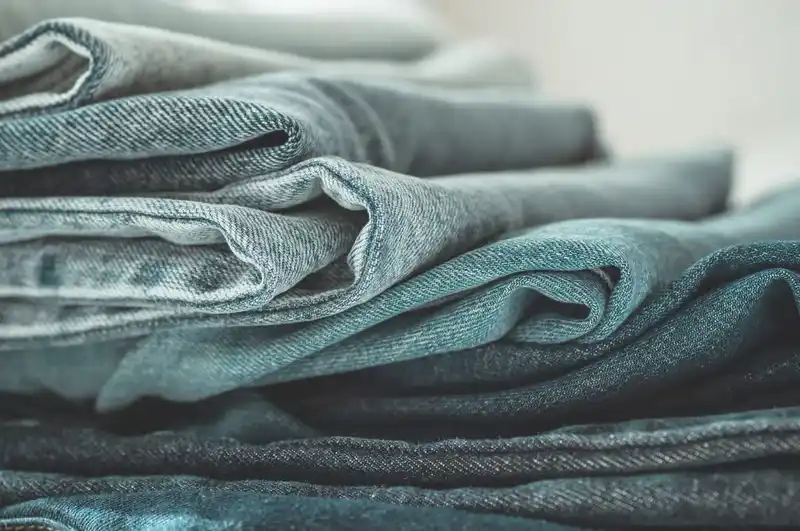
Stacked denim has become one of the most recognizable elements of modern streetwear. The extended inseam and gathered fabric around the ankles create a distinctive silhouette that combines luxury fashion influences with urban style. While many shoppers focus on fit, color, and branding when purchasing stacked jeans, the real foundation of a premium pair often lies in something less obvious: the fabric itself.
The quality of stacked denim fabrics determines how well the jeans drape, how long they maintain their shape, and how comfortable they feel throughout daily wear. A perfectly designed stacked jean can lose its visual appeal if the material stretches excessively, fades unevenly, or breaks down after a few months. On the other hand, high-quality fabric can elevate even a simple design into a durable and stylish wardrobe staple.
Understanding the fabrics used in stacked denim is essential for anyone who wants to invest in jeans that deliver both fashion and function. From traditional cotton constructions to modern stretch blends and premium selvedge materials, each fabric choice affects the appearance and performance of the garment in unique ways.
This guide explores the most important materials, construction techniques, and quality indicators to help you identify the best stacked denim fabrics available today.
Why Fabric Choice Matters in Stacked Denim
The Connection Between Fabric and Stacking Effect
The signature look of stacked denim relies heavily on the behavior of the fabric. The extra length in the legs creates folds that gather naturally around the ankles. However, not every denim fabric produces the same result.
A fabric that is too soft may collapse and lose the defined stacking effect. Conversely, a material that is excessively stiff may create bulky folds that look unnatural. Premium stacked denim fabrics strike a careful balance between structure and flexibility. They hold their shape while still allowing the folds to form smoothly and naturally.
The quality of the stacking effect often becomes more noticeable after months of wear. High-grade fabrics continue creating clean stacks, while lower-quality materials may develop sagging, twisting, or uneven bunching.
How Material Quality Influences Longevity
Durability remains one of the most important considerations when purchasing stacked denim. The gathered fabric around the ankle experiences repeated movement and friction throughout the day. Inferior materials often show signs of wear quickly in these high-stress areas.
Premium denim fabrics are engineered to withstand repeated use without losing their shape. Strong fibers, dense weaving techniques, and quality finishing processes contribute to a longer lifespan. Investing in superior fabric typically means enjoying better appearance retention and greater value over time.
Understanding the Construction of Premium Denim
Fiber Composition and Performance
Every denim fabric begins with fibers. The composition of these fibers directly influences texture, durability, breathability, and comfort.
Cotton remains the dominant material in denim production because of its natural strength and softness. However, manufacturers often blend cotton with other fibers to achieve specific performance characteristics. Small percentages of elastane, polyester, or other materials can dramatically alter how stacked jeans fit and move.
High-quality stacked denim fabrics usually prioritize cotton while carefully incorporating supplemental fibers when necessary. The goal is to enhance comfort without sacrificing durability or authentic denim character.
Fabric Weight and Its Role in Streetwear Denim
Fabric weight is another critical factor that many consumers overlook. Denim weight is typically measured in ounces per square yard. Lightweight denim feels softer and more breathable, while heavier denim provides greater structure and durability.
For stacked denim, medium-to-heavy weights often perform best. These fabrics create defined folds and maintain the desired silhouette. Lightweight materials can sometimes struggle to hold the dramatic stacked appearance that streetwear enthusiasts seek.
The ideal weight depends on personal preference, climate, and intended use. Nevertheless, quality stacked jeans generally utilize fabric substantial enough to preserve their shape throughout extended wear.
Cotton Denim: The Foundation of Quality Stacked Jeans
Why Long-Staple Cotton Stands Out
Not all cotton is created equally. One of the most important distinctions in premium denim production is the use of long-staple cotton fibers.
Long-staple cotton produces smoother, stronger yarns because the fibers are longer and more uniform. These yarns create fabrics that resist pilling, maintain their structure, and feel more refined against the skin.
Many premium denim manufacturers prioritize high-grade cotton because it improves both durability and comfort. For stacked denim, this translates into cleaner folds, better wear resistance, and a more luxurious feel over time.
Consumers may not always see long-staple cotton listed on product labels, but it often serves as a hallmark of premium craftsmanship.
The Appeal of Pure Cotton Denim
Pure cotton denim remains highly respected among denim enthusiasts. Without synthetic fibers, it offers an authentic look and feel that evolves naturally with wear.
As pure cotton denim ages, it develops unique fading patterns that reflect the owner’s lifestyle and movement. These personalized characteristics are one reason raw denim communities continue to favor 100 percent cotton constructions.
For stacked denim, pure cotton creates a structured appearance that many fashion enthusiasts appreciate. The material forms sharp stacks and maintains a strong silhouette. While it may require a break-in period, the long-term rewards often justify the initial stiffness.
Stretch Blends and Modern Comfort
The Role of Elastane in Stacked Denim
Modern consumers increasingly expect comfort alongside style. This demand has led many manufacturers to incorporate elastane into denim fabrics.
Elastane provides stretch, allowing jeans to move more easily with the body. Even a small percentage can significantly improve comfort during walking, sitting, and daily activities.
For stacked denim, controlled stretch helps maintain mobility while preserving the stacked aesthetic. The key lies in moderation. Excessive stretch can compromise structure and reduce the visual impact of the stacks.
Most high-quality stretch denim fabrics include only a small amount of elastane, creating flexibility without sacrificing durability.
Balancing Flexibility With Structure
The best stacked denim fabrics achieve harmony between comfort and form. This balance allows the jeans to move naturally while retaining their intended shape.
Premium manufacturers carefully engineer fabric blends to prevent overstretching. Advanced weaving techniques and recovery properties help the denim return to its original form after movement.
This balance is particularly important for stacked styles because the extended inseam requires consistent fabric behavior. When recovery performance is poor, the stacks may become loose and uneven over time.
Selvedge Denim and Its Reputation for Excellence
Among denim enthusiasts, selvedge denim often represents the highest standard of craftsmanship. Produced on traditional shuttle looms, selvedge fabric features tightly finished edges that prevent unraveling and contribute to exceptional durability.
The appeal of selvedge extends beyond aesthetics. The slower production process typically results in denser weaving, greater attention to detail, and superior fabric quality. Many premium stacked denim brands incorporate selvedge materials to differentiate themselves in a competitive market.
Selvedge denim also develops unique fading patterns that appeal to collectors and fashion enthusiasts. The fabric ages gracefully, acquiring character and depth with continued wear.
Although selvedge denim often commands a higher price, many consumers view it as a worthwhile investment due to its longevity and craftsmanship.
Raw Denim Versus Washed Denim Fabrics
How Fabric Treatments Affect Appearance
Raw denim and washed denim represent two distinct approaches to finishing. Raw denim remains untreated after dyeing, preserving its original stiffness and deep color. Washed denim undergoes processing to create a softer feel and pre-worn appearance.
Raw denim is often preferred for stacked silhouettes because of its structure. The rigid fabric forms crisp stacks and gradually molds to the wearer’s body. Over time, unique fading patterns emerge, making each pair highly personal.
Washed denim offers immediate comfort and a relaxed aesthetic. The softer material may feel more accessible to casual wearers, although it sometimes sacrifices some structural definition.
Choosing the Right Finish for Your Style
The choice between raw and washed denim ultimately depends on individual priorities. Fashion enthusiasts seeking maximum personalization often gravitate toward raw denim. Those prioritizing convenience and immediate comfort may prefer washed options.
Both finishes can work effectively in stacked designs when constructed from quality fabrics. Understanding the differences allows buyers to select the option that aligns best with their style preferences and lifestyle needs.
Fabric Weights That Work Best for Stacked Silhouettes
The relationship between fabric weight and stacking performance deserves special attention. Medium-weight denim generally offers a versatile balance between comfort and structure. It creates attractive folds while remaining suitable for year-round wear.
Heavier denim often produces the most dramatic stacks. The additional structure helps maintain the extended silhouette associated with premium streetwear. Many luxury denim brands favor heavier constructions for this reason.
However, heavier fabrics may require a longer break-in period. They can feel stiff initially but often reward patience with exceptional durability and character development.
Choosing the right weight involves considering climate, comfort preferences, and desired visual impact. Understanding these factors helps buyers make more informed decisions when evaluating stacked denim fabrics.
Durability Factors That Separate Premium Denim From Average Denim
Yarn Quality and Weaving Techniques
The quality of yarn used in denim production plays a crucial role in overall performance. Strong, consistent yarns create fabrics capable of withstanding years of wear.
Premium manufacturers invest heavily in high-quality spinning and weaving processes. These techniques produce fabrics with greater uniformity, strength, and visual appeal.
Dense weaving patterns also contribute to durability. A tightly woven fabric resists tearing and abrasion more effectively than loosely constructed alternatives.
When evaluating stacked denim fabrics, examining stitching, texture, and overall construction can provide valuable clues about underlying quality.
Resistance to Wear and Shape Loss
One of the clearest indicators of premium denim is its ability to maintain shape over time. Inferior fabrics often stretch excessively and fail to recover properly. This can result in baggy knees, distorted stacks, and an overall worn-out appearance.
High-quality denim incorporates superior fibers, balanced construction, and advanced finishing techniques that preserve shape integrity. These characteristics ensure that the jeans continue looking sharp even after extensive wear.
Shape retention becomes especially important in stacked styles because the visual effect depends heavily on consistent fabric behavior.
Common Fabric Mistakes Buyers Should Avoid
Many consumers focus solely on brand names or visual design while overlooking fabric quality. This can lead to disappointing purchases that fail to deliver long-term satisfaction.
One common mistake is choosing jeans based entirely on softness. Extremely soft denim may feel appealing initially but can lack the structure needed for attractive stacking. Another frequent error involves assuming all stretch denim performs equally well. Recovery properties vary significantly between fabrics.
Ignoring fabric weight can also create problems. Lightweight materials may not support the dramatic silhouette associated with stacked denim. Likewise, overlooking construction details can result in purchasing jeans that wear out prematurely. Careful evaluation of fabric composition, weight, and craftsmanship helps avoid these costly mistakes.
Conclusion
Choosing the right stacked denim fabrics is one of the most important decisions when investing in premium streetwear denim. Fabric influences every aspect of performance, from comfort and durability to shape retention and visual appeal. High-quality cotton, carefully balanced stretch blends, selvedge construction, and appropriate fabric weights all contribute to superior results.
While trends may come and go, quality materials remain the foundation of exceptional denim. Understanding fiber composition, construction methods, and durability indicators empowers consumers to make smarter purchasing decisions. The best stacked denim fabrics not only create an impressive silhouette but also deliver lasting value, evolving beautifully with wear and becoming a reliable part of any wardrobe.
FAQs
What fabric is considered best for premium stacked denim?
High-quality cotton denim, particularly long-staple cotton, is often considered the best choice for premium stacked denim. It provides excellent durability, strong structure, and authentic fading characteristics. Many premium options also include a small percentage of elastane to improve comfort while maintaining the stacked silhouette.
Is stretch denim good for stacked jeans?
Yes, stretch denim can work very well for stacked jeans when used in moderation. A small amount of elastane enhances mobility and comfort without compromising structure. High-quality stretch denim also offers strong recovery, helping the fabric maintain its shape and stacks after repeated wear.
Does heavier denim create better stacks?
In many cases, heavier denim creates more defined and dramatic stacks because it has greater structure. The additional weight helps the fabric hold folds more effectively around the ankles. However, personal comfort, climate, and styling preferences should also be considered when selecting denim weight.