
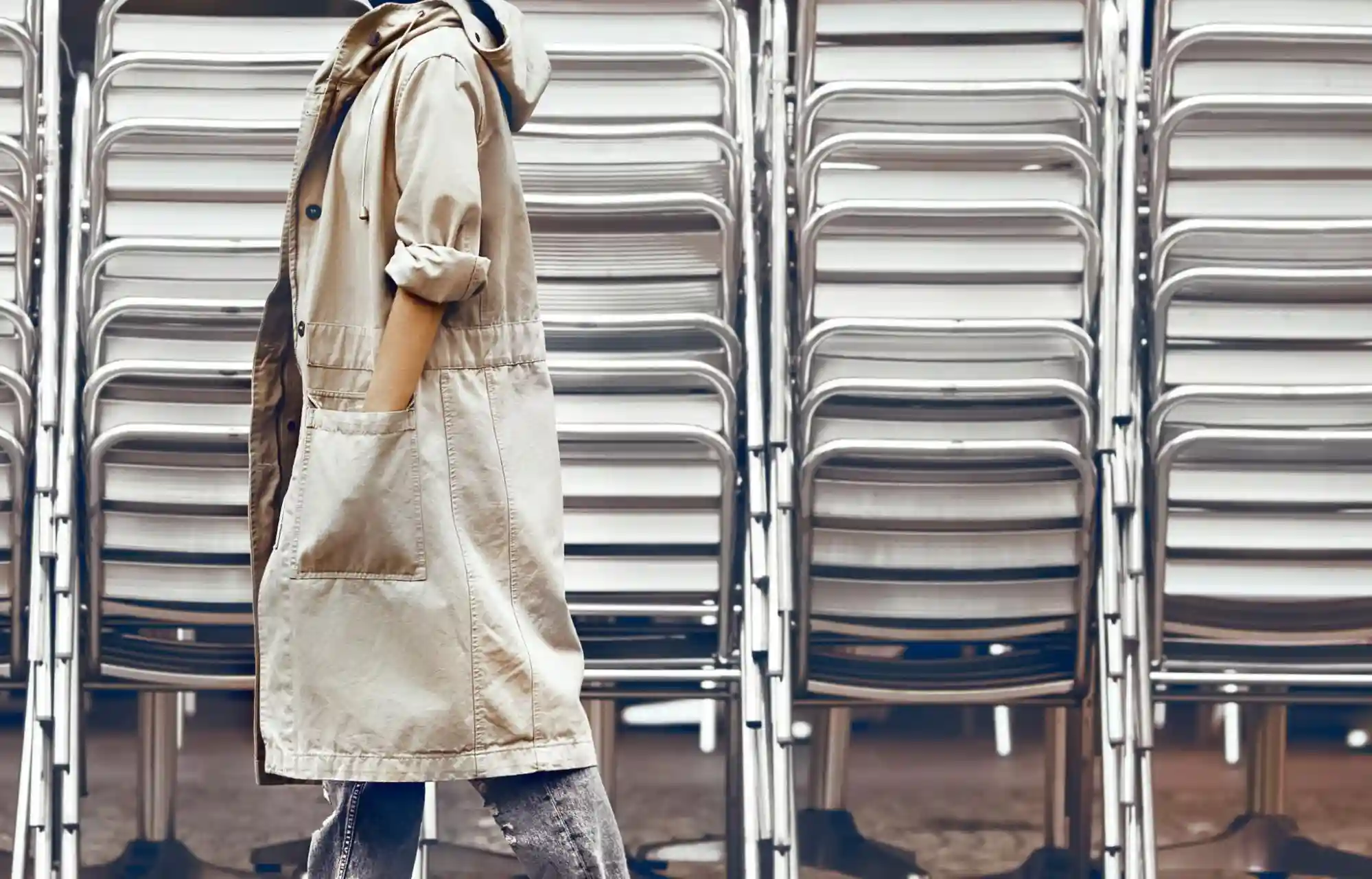
2026 fashion runway trends are pushing streetwear into a more refined and concept-driven phase. What once lived mainly in skate culture and urban youth scenes is now fully embedded in luxury fashion houses. On global runways, streetwear is no longer treated as casual inspiration. It is now a central design language. Designers are blending tailoring, performance wear, and street aesthetics into cohesive collections that feel both elevated and wearable. The biggest shift is control. Instead of chaotic experimentation, runway streetwear in 2026 focuses on structure, intention, and clarity of design. Luxury brands are not copying streetwear anymore. They are redefining it within their own creative systems.
Cultural forces driving 2026 fashion runway trends in streetwear
Several cultural forces are shaping 2026 fashion runway trends. Gen Z and Gen Alpha are at the center of this influence. Their fashion expectations are different from previous generations. They value authenticity, digital identity, and versatility. They also move fluidly between luxury and casual wear without strong boundaries. Music culture continues to play a major role, especially hip-hop, electronic, and global pop scenes, which directly influence runway styling choices. Sports culture also remains important, especially with the rise of athlete-driven fashion branding. Social media accelerates everything. A runway look can become a global trend within hours, forcing designers to think in real time rather than seasonal cycles.
Silhouette direction in 2026 fashion runway trends
Silhouettes in 2026 runway streetwear are becoming more controlled and architectural. Designers are focusing on structure rather than exaggeration.
Controlled oversized tailoring on the runway
Oversized fashion is still present, but it is no longer extreme. Instead of oversized as volume overload, it is now about controlled proportions. Jackets have structured shoulders, pants maintain clean drape, and hoodies are shaped rather than shapeless. This creates a more intentional silhouette that works in both runway and real-world styling.
Slim-tech and futuristic minimal silhouettes
On the opposite side, slim and technical silhouettes are gaining traction. These designs focus on streamlined fits, smooth lines, and performance-inspired cuts. The aesthetic feels futuristic without being overly complex. It reflects a shift toward efficiency in design, where every seam and panel has purpose.
Hybrid draping and layered construction
One of the most experimental directions in 2026 fashion runway trends is hybrid construction. Designers are layering structured tailoring with soft draping, creating outfits that feel dynamic. A blazer might flow into a utility panel or a coat might merge with streetwear hood elements. This blending of construction styles is redefining runway storytelling.
Fabric innovation defining 2026 fashion runway trends
Fabric development is a major driver of runway innovation. Technical textiles are no longer limited to sportswear. They are now integrated into luxury streetwear collections. Lightweight waterproof fabrics, breathable engineered knits, and adaptive thermal materials are common.
Transparency is also a growing theme. Semi-sheer fabrics and layered translucent materials are being used to create depth and visual complexity. This allows designers to show structure beneath surface layers.
Recycled luxury fabrics are also becoming standard. High-end brands are investing in circular material systems, turning waste into premium textiles. This reflects a larger industry shift toward sustainability without sacrificing aesthetics.
Color direction dominating 2026 fashion runway trends
Color in 2026 runway streetwear is moving toward restraint and precision. Muted industrial tones like stone grey, ash black, sand beige, and faded olive dominate collections. These colors create a modern, neutral foundation that supports layering and structure.
Digital neon accents are still present but used sparingly. Instead of full neon outfits, designers use neon as highlight elements in seams, trims, or accessories. This controlled use creates contrast without overwhelming the design.
Monochrome layering is also a key runway strategy. Entire outfits built in single-tone variations create depth through texture rather than color contrast.
Sneaker and footwear evolution in runway streetwear 2026
Footwear remains one of the most important elements in 2026 fashion runway trends. Sneakers are no longer just accessories. They are design statements. Luxury sneaker hybrids dominate runway collections, often blending performance engineering with sculptural design.
Exaggerated sole structures are also trending. Thick, architectural soles are used to add visual weight and futuristic appeal. At the same time, some designers are moving toward ultra-minimal sneakers that focus on clean lines and lightweight construction.
Luxury and performance collaborations continue to grow. Sportswear brands and high-fashion houses are merging technical innovation with high-end aesthetics.
Accessory evolution within 2026 fashion runway trends
Accessories in 2026 runway streetwear are becoming more functional and integrated. Bags are no longer just storage items. They are wearable design elements, often featuring modular compartments or tech integration.
Jewelry is shifting toward minimal expression. Instead of bold chains and oversized branding, subtle metallic details and geometric designs are taking over.
Wearable tech is also appearing more frequently. Smart fabrics, embedded tracking elements, and functional accessories are slowly entering runway experimentation phases.
Branding shifts in 2026 runway streetwear collections
Branding in 2026 is becoming more subtle and conceptual. Loud logos are being replaced by coded visual identity systems. These include symbols, stitching patterns, and texture-based branding rather than obvious prints.
Collaborations are also evolving. Instead of frequent mass partnerships, brands are focusing on limited, highly curated collaborations that tell a stronger story. This shift reflects a move toward exclusivity based on creativity rather than hype.
How digital fashion influences 2026 fashion runway trends
Virtual runway presentations
Digital runway shows are becoming more common. Some brands now launch collections simultaneously in physical and virtual formats. This allows global audiences to engage with collections in real time, expanding fashion beyond physical limitations.
AI-generated design experimentation
AI is being used in early design stages to generate silhouettes, predict trend responses, and explore material combinations. Designers still guide creativity, but AI accelerates concept development.
Social media amplification of runway aesthetics
Runway shows no longer end on the runway. They continue online. Short-form videos, breakdowns, and influencer styling quickly turn runway looks into global trends within days.
Sustainability shaping 2026 fashion runway trends
Sustainability is now a structural requirement in runway fashion. Brands are expected to demonstrate responsible sourcing and production methods. Circular fashion systems are becoming more common, where garments are designed for reuse, recycling, or long-term adaptability.
Slow fashion principles are influencing even luxury collections. Instead of rapid seasonal drops, designers are focusing on fewer but more meaningful releases.
Common misconceptions about 2026 fashion runway trends
One misconception is that runway fashion is not wearable. In reality, 2026 collections are increasingly designed with real-world adaptation in mind. Another misconception is that oversized fashion still dominates. In truth, it has become more structured and controlled.
Minimalism is also often misunderstood. It does not mean simplicity in design effort. It means precision, intention, and reduction of unnecessary elements.
Future direction of 2026 fashion runway trends in streetwear
The future of runway streetwear is moving toward full integration between digital and physical identity. Clothing will exist across both spaces, influencing how people express themselves online and offline. Personalization will also increase. Instead of mass trends, consumers will adopt curated style systems influenced by runway concepts but adapted individually. Streetwear is becoming a permanent language in luxury fashion, not just a trend cycle.
Conclusion
2026 fashion runway trends are redefining how streetwear is designed, presented, and consumed. The focus has shifted from hype to structure, from volume to intention, and from imitation to innovation. Runway fashion is now a testing ground for cultural evolution. Streetwear is no longer outside luxury fashion. It is shaping it. As these trends continue to evolve, they are setting the foundation for the next generation of global style systems.