Streetwear trends 2026 are not just about clothing updates. They reflect a deeper shift in how people express identity through fashion. Streetwear has moved far beyond its roots in skate and hip-hop culture. It now sits at the center of global style systems, influencing luxury brands, sportswear companies, and independent designers alike. What makes 2026 different is the maturity of streetwear. It is no longer driven only by hype drops or viral moments. Instead, it is shaped by culture, technology, and long-term consumer behavior. Gen Z and Gen Alpha are leading this change. They prefer authenticity over hype and function over excess. As a result, streetwear trends 2026 are becoming more intentional, more refined, and more integrated into everyday life.
Core forces shaping streetwear trends 2026
Several major forces are driving the direction of streetwear in 2026. The first is technology. AI is now used in design processes, trend forecasting, and even personalized styling recommendations. This reduces guesswork and increases precision in fashion creation. Sustainability is another defining factor. Consumers are more aware of environmental impact. They expect transparency in production and prefer brands that focus on long-term quality rather than fast turnover. Digital culture is also a major influence. Social media continues to accelerate trend cycles, but now it also shapes how collections are designed from the beginning. Clothing is no longer just physical. It is part of a digital identity ecosystem.
Silhouette evolution in streetwear trends 2026
Silhouettes in 2026 are becoming more refined but still expressive. Streetwear is moving away from extreme proportions and toward controlled balance.
Oversized fits vs structured minimalism
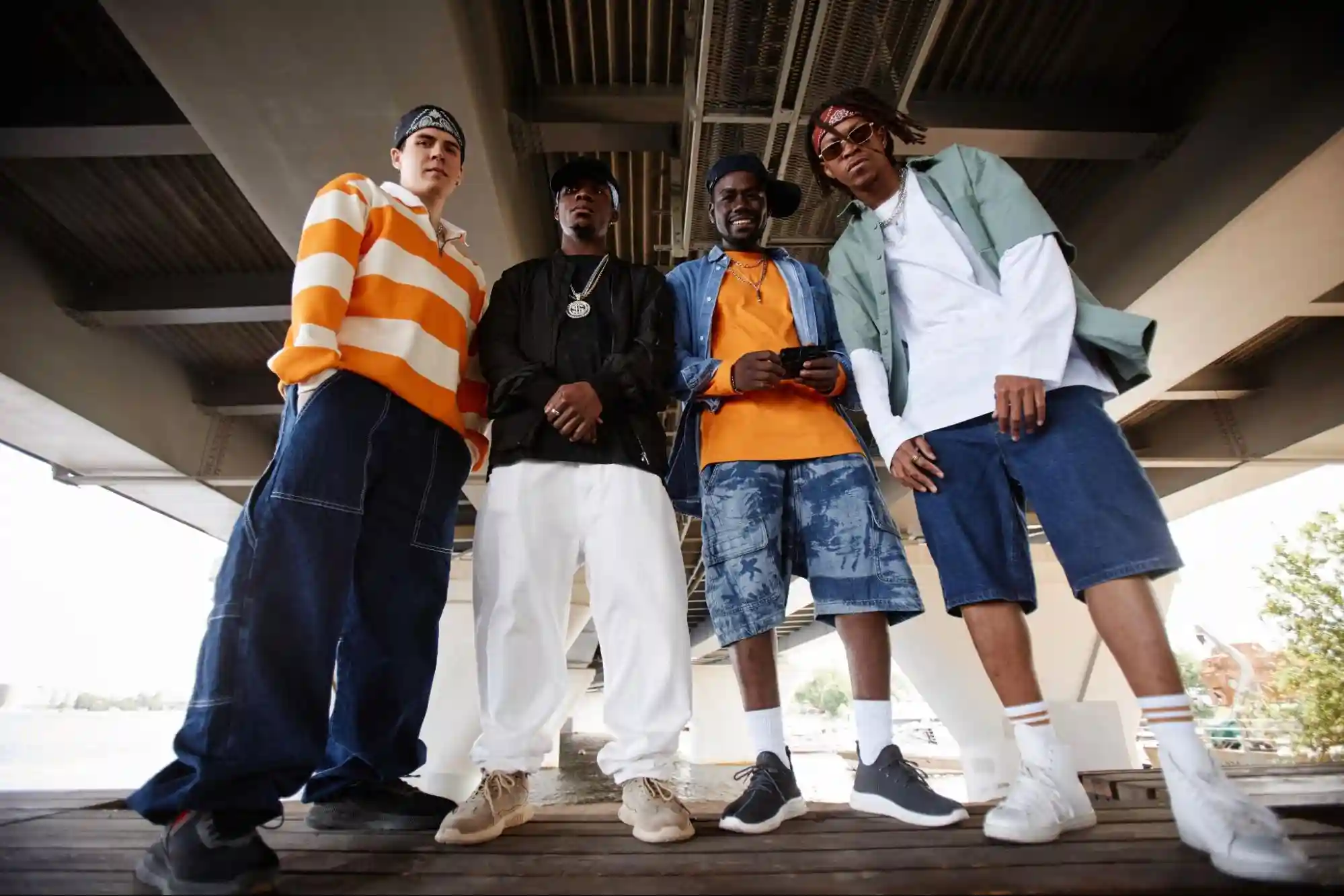
Oversized clothing is still relevant, but it is being used more strategically. Instead of exaggerated proportions, designers are focusing on controlled volume. Hoodies, jackets, and pants are designed with intentional structure rather than loose randomness. At the same time, structured minimalism is gaining ground. Clean lines, tailored fits, and simplified silhouettes are becoming popular among consumers who want a more polished streetwear aesthetic. The real trend is not one extreme or the other. It is the balance between both.
Hybrid silhouettes and modular clothing
One of the most interesting developments in streetwear trends 2026 is modular design. Clothing is becoming adaptable. Jackets with removable layers, pants that convert into shorts, and adjustable fits are becoming more common. This reflects a lifestyle shift. People want fewer pieces that do more. Versatility is becoming more valuable than volume.
Color direction influencing streetwear trends 2026
Color trends in 2026 reflect both digital influence and natural inspiration. Muted futuristic tones are becoming more common. Shades like steel grey, soft black, sand beige, and desaturated blues create a modern, tech-inspired aesthetic. Earth tones are also making a return, but they are more refined than before. Instead of raw browns and greens, we see softened, more polished versions that feel elevated. Digital neon accents still exist but are used more selectively. Instead of full neon outfits, small highlights like logos, trims, or accessories carry the color impact.
Fabric and material innovation in streetwear trends 2026
Materials are becoming one of the most important parts of streetwear evolution. Technical fabrics inspired by performance wear are now common in everyday fashion. These fabrics are lightweight, durable, and weather-adaptive. Sustainability is also driving material innovation. Recycled polyester, organic cotton, and circular production systems are becoming industry standards rather than niche practices. Another major shift is seasonless fabric design. Instead of separating summer and winter wardrobes, brands are creating adaptable textiles that work across multiple conditions.
Sneaker culture and footwear evolution in 2026 streetwear
Sneakers remain central to streetwear trends 2026, but their design direction is changing. Minimalist performance sneakers are gaining popularity. Clean shapes, lightweight builds, and functional design are replacing overly complex models. Hybrid footwear is also emerging. Sneaker-boot combinations are designed for both style and function. These shoes work across urban and outdoor environments. Smart footwear is another developing category. Embedded sensors, tracking features, and adaptive comfort systems are slowly entering mainstream fashion discussions.
How digital fashion is reshaping streetwear trends 2026
Virtual clothing and metaverse styling
Digital clothing is no longer theoretical. Virtual outfits are now part of gaming platforms, social media avatars, and digital identity spaces. People are expressing style in virtual environments before even wearing physical versions.
AI-driven outfit personalization
AI is increasingly used to recommend outfits based on personal style history, weather, and lifestyle habits. This changes how consumers interact with fashion. Instead of browsing endlessly, they receive curated suggestions.
Social media-native fashion cycles
Platforms like TikTok continue to drive rapid trend cycles. However, in 2026, these cycles are becoming more structured. Trends are shorter but more intense. A single aesthetic can dominate globally for weeks before evolving.
Sustainability redefining streetwear trends 2026
Sustainability is no longer optional. It is a core expectation. Consumers want to know where their clothing comes from and how it is made. Brands are responding by adopting slower production models. Instead of constant drops, they focus on fewer but higher-quality releases. Transparency is also becoming important. Supply chains are being made more visible, and ethical production is becoming a key selling point.
Branding evolution within streetwear trends 2026
Branding is becoming more subtle in 2026. Loud logos are being replaced by coded identity systems. This includes small symbols, texture-based branding, and minimal design signatures. Community is now more important than mass appeal. Brands are focusing on building loyal cultural groups rather than broad audiences. Collaborations are also evolving. Instead of frequent partnerships, brands are choosing fewer but more meaningful collaborations.
Retail transformation and how people will buy streetwear in 2026
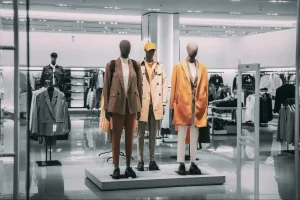
The way people shop for streetwear is changing. Digital-first shopping is now standard. Many brands operate primarily online, using direct-to-consumer models. Experiential retail is also growing. Physical stores are becoming immersive spaces rather than simple product displays. They focus on storytelling and brand identity. AI-powered shopping assistants are another major shift. These tools help customers build wardrobes based on style preferences and previous purchases.
Common misconceptions about streetwear trends 2026
One misconception is that streetwear is losing relevance. In reality, it is becoming more integrated into mainstream fashion. Another misconception is that minimalism means simplicity. In 2026, minimalism is strategic. It requires careful design decisions rather than basic styling. Some also believe hype culture is gone. It is not gone, but it is no longer the only driving force. Culture now plays a bigger role than pure hype.
Future outlook: where streetwear trends 2026 are heading next
Streetwear is moving toward full integration of physical and digital identity. Clothing will exist in both real and virtual spaces. Wardrobes will become more personalized and smaller but more functional. Instead of trend-based consumption, people will build long-term style systems. Streetwear is also becoming a global default fashion language. It is no longer a subculture. It is the foundation of modern style expression.
Conclusion
Streetwear trends 2026 represent more than seasonal change. They reflect a shift in how people view identity, technology, and sustainability in fashion. The combination of digital influence, material innovation, and cultural awareness is reshaping the industry. Streetwear is no longer reactive. It is setting the direction for global fashion. As these trends evolve, one thing is clear. Streetwear is not fading. It is becoming the framework for the next generation of style.