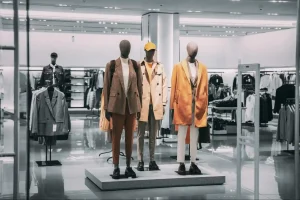

The fashion industry has experienced a major transformation over the last few decades. Luxury fashion was once strongly connected to formal designs, exclusive runway shows, and traditional ideas of elegance. Today, the boundaries between luxury and casual clothing have become much less defined. Sneakers, hoodies, oversized silhouettes, and graphic designs now appear alongside classic tailoring and premium materials. This shift created a new opportunity for luxury brands to connect with younger audiences and changing consumer preferences. The growth of high fashion streetwear represents one of the most significant changes in modern fashion strategy. High-fashion houses successfully entered the streetwear space by understanding cultural movements, adapting their designs, creating strategic collaborations, and using new marketing approaches. However, this transition required more than simply adding casual products to existing collections. Brands needed to balance exclusivity with accessibility while protecting their heritage and identity. The success of this movement shows how fashion companies can evolve when they respond to social changes, consumer expectations, and new forms of cultural influence.
The Rise of Streetwear as a Global Fashion Influence
Streetwear began as a reflection of youth culture, creativity, and individual expression.
Originally connected to skateboarding, hip-hop, sports communities, and urban lifestyles, streetwear developed outside traditional fashion systems.
Its appeal came from authenticity.
People wore streetwear because it represented personal identity rather than strict fashion rules.
Over time, this cultural influence expanded globally.
Music artists, athletes, designers, and online communities helped transform streetwear from a niche movement into a major fashion category.
Social media accelerated this growth.
Platforms allowed trends to spread quickly and gave consumers direct access to new styles, limited releases, and cultural conversations.
Luxury fashion houses recognized that younger consumers were no longer defining status only through formal luxury items.
Exclusivity began to include cultural relevance, creativity, and community connection.
A limited-edition sneaker could create the same excitement as a traditional luxury accessory.
A hoodie with a recognizable design could become a symbol of identity.
This change forced high-fashion brands to rethink their approach.
Instead of only presenting fashion as something distant and exclusive, they began creating products that felt more connected to everyday life.
The result was a new relationship between luxury and casual style.
How Luxury Brands Entered the Streetwear Market
Luxury brands did not succeed in streetwear by simply copying existing trends.
They combined their craftsmanship, design experience, and brand recognition with elements that already had cultural influence.
Collaborations That Changed Brand Perception
Collaborations became one of the most effective strategies for luxury brands entering streetwear.
Instead of developing collections independently, many fashion houses partnered with established streetwear designers, artists, and cultural figures.
These partnerships created excitement because they combined different audiences.
Luxury consumers gained exposure to streetwear culture, while streetwear communities gained access to premium craftsmanship.
Limited releases also increased demand.
When products were available for a short time, they created urgency and exclusivity.
Consumers were not only purchasing clothing.
They were participating in a cultural moment.
Successful collaborations demonstrated that luxury fashion could adapt without completely abandoning its identity.
They showed that traditional fashion houses could respect streetwear culture while adding their own creative perspective.
Redesigning Luxury Through Casual Aesthetics
Design adaptation was another important factor in the transition.
Luxury brands began incorporating streetwear-inspired elements into their collections.
Hoodies, sneakers, relaxed silhouettes, and graphic designs became part of high-fashion offerings.
However, successful brands focused on transformation rather than imitation.
They used premium materials, advanced construction techniques, and recognizable design details to create elevated versions of casual clothing.
A luxury sneaker was not simply a sneaker.
It represented craftsmanship, brand history, and modern cultural appeal.
This approach allowed brands to maintain their premium positioning while responding to changing lifestyles.
Consumers increasingly wanted clothing that combined comfort, style, and social meaning.
Luxury streetwear provided a solution by blending everyday functionality with high-end design.
Strategic Marketing Approaches Behind the Transition
Marketing played a major role in helping luxury brands establish credibility in streetwear.
Traditional luxury advertising often focused on exclusivity and elegance.
Modern strategies expanded this approach by emphasizing community, storytelling, and cultural participation.
Social media became a powerful tool.
Brands could communicate directly with consumers, showcase behind-the-scenes processes, and create conversations around new releases.
This created stronger emotional connections.
Luxury houses also collaborated with influential figures.
Artists, athletes, musicians, and digital creators helped introduce luxury streetwear to new audiences.
Their influence provided cultural credibility.
Another important strategy was scarcity.
Limited drops and exclusive collections created anticipation.
This approach reflected streetwear culture, where rare products often gained additional value because of their limited availability.
Lifestyle storytelling became equally important.
Brands began presenting clothing as part of a broader identity.
Campaigns focused on creativity, individuality, and cultural movements rather than only product features.
This shift helped luxury brands appear more connected to modern consumers.
Balancing Luxury Heritage With Streetwear Identity
Entering streetwear created a challenge for high-fashion houses.
They needed to attract new audiences without weakening their established reputation.
Protecting Brand Value While Expanding Accessibility
Luxury brands depend heavily on perception.
Their value comes from craftsmanship, history, exclusivity, and emotional connection.
Moving into streetwear created concerns that increased accessibility could reduce exclusivity.
Successful brands addressed this challenge through careful positioning.
They did not abandon luxury principles.
Instead, they applied them to new categories.
Premium materials, detailed craftsmanship, and strong design concepts remained central.
The goal was not to become mass-market clothing companies.
The goal was to expand the definition of luxury.
Maintaining balance required strategic decision-making.
Too much focus on commercial success could damage brand identity.
Too little adaptation could make brands irrelevant to younger consumers.
The most successful companies found a middle ground.
Adapting Designs Without Losing Brand Recognition
Design identity remained another important consideration.
Luxury brands needed to create streetwear products that felt modern while still being recognizable.
Signature patterns, logos, design techniques, and brand elements helped maintain familiarity.
Successful collections often combined traditional influences with contemporary aesthetics.
This allowed consumers to experience something new without losing connection to the brand’s history.
Adaptation became a creative challenge.
Brands needed to evolve while protecting the elements that made them unique.
This balance became one of the key reasons some luxury houses succeeded while others struggled.
Consumer Behavior and the New Luxury Fashion Mindset
The rise of streetwear changed how consumers view luxury.
Younger buyers often prioritize authenticity, creativity, and cultural relevance.
They want products that represent their personality and values.
Traditional ideas of luxury focused heavily on exclusivity.
Modern luxury increasingly includes storytelling and emotional connection.
Consumers want to understand the inspiration behind designs.
They want brands that participate in cultural conversations.
Streetwear naturally fits this mindset because it developed through communities and personal expression.
The success of luxury streetwear reflects a broader change in purchasing behavior.
People are not only buying products.
They are buying experiences, identities, and connections.
This explains why collaborations, limited editions, and culturally meaningful collections generate strong demand.
Brands that understand these emotional factors can build stronger relationships with modern audiences.
Challenges Faced by High-Fashion Brands in Streetwear
Although many luxury brands achieved success, the transition was not without challenges.
One major issue involved authenticity.
Streetwear communities often value originality and cultural credibility.
Brands entering the space needed to show genuine understanding rather than simply following a profitable trend.
Another challenge was maintaining innovation.
As more luxury houses entered streetwear, competition increased.
Brands needed fresh ideas to remain relevant.
Overproduction created another concern.
If exclusive products become too common, their perceived value may decrease.
Luxury companies must carefully manage availability.
Consumer expectations also continue to change.
Audiences increasingly consider sustainability, ethical production, and social responsibility when choosing brands.
Future success requires addressing these concerns.
The transition into streetwear demonstrates that fashion growth depends on more than popularity.
It requires strategic planning, cultural awareness, and long-term vision.
The Future Direction of High Fashion Streetwear
The relationship between luxury and streetwear will likely continue evolving.
Technology, sustainability, and digital experiences are shaping the next stage of fashion.
Technology, Sustainability, and Digital Fashion
Digital platforms are creating new opportunities for fashion brands.
Virtual communities, online experiences, and digital fashion concepts may influence future consumer relationships.
Sustainability is also becoming increasingly important.
Consumers expect brands to consider responsible production methods and environmental impact.
Luxury streetwear will need to combine creativity with responsible innovation.
Technology may also improve customization.
Personalized designs and interactive shopping experiences could create deeper connections between brands and consumers.
Building Long-Term Cultural Influence
The future of high fashion streetwear will depend on lasting cultural influence.
Short-term trends can create temporary attention, but sustainable success requires meaningful relationships.
Brands that continue collaborating with creative communities and developing authentic stories are more likely to maintain relevance.
The strongest companies will not simply follow streetwear trends.
They will contribute to cultural conversations.
This requires understanding consumer values, investing in creativity, and respecting the communities that shaped streetwear.
Conclusion
The success of high fashion streetwear shows how luxury brands can grow by adapting to cultural change while protecting their identity. High-fashion houses entered the streetwear space through strategic collaborations, innovative marketing, redesigned products, and a deeper understanding of modern consumer behavior. They recognized that luxury was no longer defined only by formal traditions but also by creativity, authenticity, and cultural connection. However, maintaining success requires careful balance. Brands must preserve craftsmanship and exclusivity while remaining relevant to changing audiences. The future of luxury streetwear will depend on innovation, sustainability, technology, and genuine cultural engagement. As fashion continues to evolve, the strongest brands will be those that respect their heritage while embracing new ideas. The transition from runway fashion to streetwear proves that adaptability is one of the most powerful strategies in the modern fashion industry.